At Home Senior Care and Nutrition: How Caregivers Assist Senior Citizens Eat Well
Business Name: FootPrints Home Care
Address: 4811 Hardware Dr NE d1, Albuquerque, NM 87109
Phone: (505) 828-3918
FootPrints Home Care
FootPrints Home Care offers in-home senior care including assistance with activities of daily living, meal preparation and light housekeeping, companion care and more. We offer a no-charge in-home assessment to design care for the client to age in place. FootPrints offers senior home care in the greater Albuquerque region as well as the Santa Fe/Los Alamos area.
4811 Hardware Dr NE d1, Albuquerque, NM 87109
Business Hours
Good nutrition is one of the peaceful levers that forms how older adults feel daily. When it is right, energy, state of mind, and self-reliance all tend to enhance. When it slips, issues spread out in every instructions: falls, confusion, slower recovery, more medical facility visits. At home senior care frequently begins with aid around bathing, dressing, and medications, but the families I work with are usually shocked to discover how main food ends up being to whatever else.
Caregivers who come into the home sit at the real front line of elder care. They stand in the kitchen area, open the fridge, hear the remarks about hunger, and observe what winds up in the trash. That perspective makes them uniquely able to protect and enhance a senior's nutrition, especially when adult kids live throughout town or in another state.
This is where quality home care and thoughtful meal support intersect.
Why nutrition gets harder with age
Most older adults do not stop consuming due to the fact that they unexpectedly end up being "particular." They normally face a stack of small barriers that collect in time. Comprehending those barriers assists families pick the best type of at home care.
First, appetite tends to change. Taste buds dull, especially for sweet and salty flavors. Odors are weaker. Food that as soon as felt appealing can appear flat or even undesirable. Specific medications go even more and blunt appetite completely or alter how foods taste. I typically hear, "Everything tastes like cardboard," or, "I'm just not hungry until late afternoon."
Second, chewing and swallowing can become uncomfortable. Poorly fitting dentures, dry mouth, deteriorated jaw muscles, or a past stroke can turn a simple sandwich into a genuine obstacle. It is easy to ignore how much this prevents consuming, particularly when a person feels embarrassed to have a hard time in front of others.
Third, energy and mobility drop. Standing at a stove, lifting pots, or even opening containers can feel overwhelming. When every step is slower and more uncomfortable, the range from couch to kitchen grows in the mind. Numerous elders will silently skip meals rather than tackle the effort of cooking and cleaning.
Fourth, memory and organization take a hit. Mild cognitive impairment or early dementia might imply a person forgets to begin lunch, eats cereal 3 times a day because it is easy, or can not securely manage a gas range. I have actually seen freezers crammed with expired food, not due to the fact that someone is careless, however since yesterday mixes into last year.
Finally, social elements matter. Numerous widowed senior citizens dislike cooking "just for one." That psychological shift is real. A meal that used to be a shared routine can now seem like a sharp tip of loss.
In-home senior care does not eliminate these realities, but a proficient caregiver can reduce their effect dramatically.
What "consuming well" indicates for older adults
Families often think eating well in later years implies huge salads, great deals of fruit, and stringent avoidance of sugary foods. Diet plan culture leaks into elder care and can make conversations about food tense. For most older grownups, nevertheless, the objectives are more nuanced.
Clinically, we search for consistent weight, enough protein to preserve muscle, appropriate calories, and the minerals and vitamins that support bone health, resistance, and cognition. That normally implies:
- Some source of protein at each meal
- Hydration spread through the day
- Carbohydrates that are easy to digest and fit any diabetes plan
- Fats that bring calories and taste, not just restriction
Variety still matters, however outright excellence does not. An individual who eats yogurt, eggs, soup, and soft cooked veggies may be doing quite well, even if raw salads are no longer practical.
One of the most essential mindset shifts for households is this: for lots of elders, it is better to eat "pretty well" reliably than to go after a perfect diet that causes skipped meals. A caretaker's task frequently includes navigating that trade off with tact.
The caretaker's role in daily nutrition
When individuals think of in-home care, they visualize assist with bathing or transportation to physician consultations. Yet over the years I have actually seen that meals and treats silently take in much of a caregiver's attention. Their work around food covers several layers.
They plan. This can be as basic as searching in the pantry and freezer, then sketching out 2 or 3 days of meals that fit the individual's likes, medical needs, and budget. In cities like Albuquerque, home care agencies frequently train caregivers to comprehend basic diet plan adjustments, such as low sodium or diabetic friendly choices, and how to use them with grocery store options that are in fact available locally.
They store. A caregiver who manages grocery journeys can switch heavy bags, crowded aisles, and complicated labels for a calmer experience. Sometimes the senior occurs for the social element and to put in option, other times they stay home to conserve energy. In either case, this action keeps your home equipped with reasonable, enticing options.
They prepare. Cooking within elder care hardly ever appears like elaborate dishes. It may include batch cooking a pot of hearty soup that can be reheated over numerous days, pre portioning treats into containers, or putting together easy meals that only need a fast heat up in the microwave. Great in-home caretakers likewise adjust textures: chopping meats into smaller pieces, steaming veggies until soft, or pureeing foods when a swallowing strategy needs it.
They albuquerque home care present and eat together. Lots of senior citizens eat better when someone sits with them. Discussion makes the meal feel less like a task. A caretaker can observe subtle concerns in real time: a grimace while chewing, food swiped in the cheek, fatigue after just a couple of bites. These little clues hardly ever show up in a medical professional's workplace, however they show up at the kitchen table every day.
Finally, they keep an eye on and communicate. Weight trends, changes in cravings, swelling in the legs, new coughing after swallowing, or an abrupt preference for very salted foods can all indicate a developing medical issue. Caregivers in senior home care typically end up being the very first to see and report those patterns to household or nurses.
When home look after parents includes this full cycle around meals, nutrition typically enhances practically by accident.
Common nutritional risks in older adults
Several patterns repeat throughout households, whether in Albuquerque home care or any other region.
One is the "tea and toast" pattern. An elder may eat a light breakfast, a small snack midday, and after that graze in the evening. On paper, they feel they "consume fine," however in reality they may just reach half the calories and protein they need. This typically shows up as loose clothing, weaker grip, or taking longer to leave a chair.
Another is quiet dehydration. Thirst cues damage with age, kidney function modifications, and some medications encourage fluid loss. An individual can be mildly dehydrated for months, causing tiredness, lightheadedness, constipation, and even delirium, without ever feeling particularly thirsty. Caregivers who consistently offer sips of water, natural tea, or broth throughout the day can prevent an unexpected number of emergency room visits.
A 3rd issue is over dependence on ultra processed benefit foods. Microwavable meals belong, specifically when energy is restricted, however numerous frozen meals bring high sodium loads and minimal fiber. For elders with cardiac arrest or high blood pressure, this can activate fluid retention and hospitalization. Knowledgeable caretakers find out which brands and mixes strike a much better balance, and they frequently match a small frozen meal with additional veggies or fruit.
Finally, medication and disease interactions make complex everything. Diabetes, kidney disease, swallowing disorders, and heart conditions all shape what an individual can securely eat and drink. In-home senior care suppliers who receive a minimum of fundamental nutrition training can assist keep daily meals lined up with these medical constraints, while still protecting enjoyment.
How at home senior care customizes nutrition
What separates typical home care from outstanding elder care is personalization. A general meal guideline is a starting point, not a destination. Customization threads through several dimensions.
Personal taste is apparent but frequently overlooked. An 88 year old who grew up on New Mexican food might long for red chile, beans, and tortillas, not quinoa salads. In Albuquerque home care, I have seen caretakers considerably improve consumption by cooking familiar dishes in more secure kinds, such as soft enchiladas with additional beans and a side of avocado, instead of imposing unknown "natural food."
Cultural and spiritual customs matter too. Vacation foods, fasting durations, or meat limitations require respect and adaptation. Older adults are more likely to eat what feels connected to their identity.
Medical needs sit alongside taste. The very same caretaker who prepares tasty beans might select a low sodium broth, rinse canned veggies to lower salt, or utilize leaner cuts of meat for a person with heart problems. For somebody with diabetes, they may area carbohydrates uniformly through the day and set them with protein.

Functional abilities shape the texture and portioning. If great motor skills are restricted by arthritis, caregiver prepared meals may prevent small buttons or lids, and instead use containers with simple pull tabs. Foods may be cut into bite sized pieces to prevent the requirement for knives. For those who fatigue quickly, several small meals and treats spread out from early morning to evening can exceed 3 large meals.
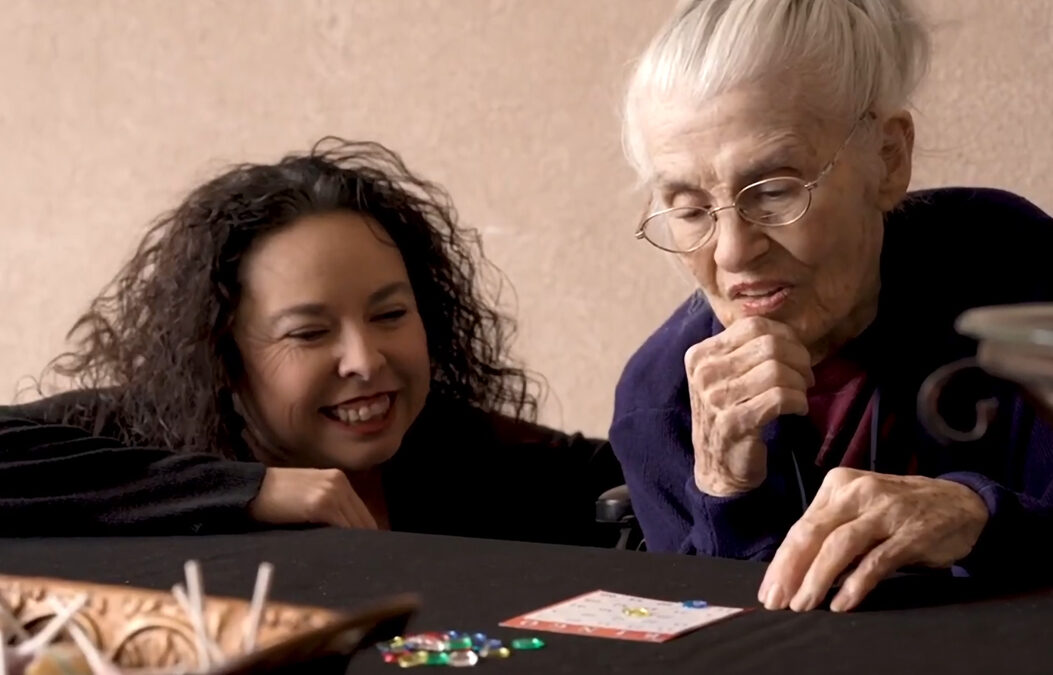
Psychological and social aspects round out the photo. Some seniors feel more in control if they co decide menus. Others want the caretaker to "simply manage it" due to the fact that choice fatigue is genuine. Personalizing ways checking out that choice and adjusting, not following a stiff script.
When in-home care is set up around these layers, food stops being a battlefield and ends up being an encouraging routine.
Spotting early indication that nutrition is slipping
Families frequently ask how to understand whether their parent's eating habits have crossed from "not perfect" into risky. While no single sign proves an issue, numerous ideas frequently show up together.
Here is a short checklist caregivers and relative can utilize as a beginning point:
- Clothes or rings fitting much looser within a few months
- Noticeable weakness, slower walking, or increased unsteadiness
- A fridge with mostly expired items or extremely little real food
- Repeated remarks such as "I'm just not starving" or "Food does not taste right"
- New or aggravating confusion, specifically in the evening
When numerous products on that list appear, it is worth including the medical care service provider and assessing whether extra at home senior care assistance around meals could help.
Practical methods caregivers utilize to support better eating
Experienced caretakers build a toolkit of simple, realistic strategies that fit into everyday home routines. They do not rely on grand plans that collapse within a week. Instead, they layer small modifications that add up.
One beneficial approach is "protein first." That indicates focusing meals on eggs, yogurt, beans, cheese, poultry, fish, or soft meats, then filling out with fruits, veggies, and grains. For instance, breakfast might become scrambled eggs with soft sautéed veggies and a slice of toast instead of just toast and jelly. For lunch, a bowl of lentil soup might change a plain sandwich.
Another technique is to move expectations about part size. Numerous senior citizens, specifically those with smaller cravings, do much better with four or five modest eating occasions than with three large meals. Caretakers can place small, appealing choices where they are easy to get: half a sandwich in the fridge, a bowl of cleaned berries, or a small container of home cheese with sliced peaches.
Hydration gets woven into things the person already enjoys. If somebody loves coffee, caretakers might introduce a cup of decaf between routine coffees. If they favor flavor, lightly sweetened natural teas or fruit instilled water can succeed where plain water stops working. Some senior citizens react well to broths or low sugar electrolyte beverages during the hottest hours of the day.
Texture adjustment is another peaceful ability. Rather of informing an individual to "chew much better," caregivers soften foods. They mash potatoes a little more, prepare rice longer, stew meats, or switch to ground versions. For somebody with swallowing difficulties, speech therapists may suggest thickened liquids; the caretaker then ends up being the one who really blends and serves them correctly.
Timing matters too. Many seniors are hungriest earlier in the day. A caretaker who notices that pattern might prepare the largest meal at twelve noon, while a night visit concentrates on a lighter dinner and preparing all set to reheat food for later.
Making medication and nutrition play well together
Complex medication schedules and nutritional needs often clash. Some drugs need to be taken with food to avoid stomach irritation. Others require an empty stomach for correct absorption. Blood slimmers interact with vitamin K rich foods, and some antibiotics clash with dairy.
Caregivers are not prescribers, but they sit in the useful space between the medical professional's guidelines and what really takes place. Efficient senior home care groups generally:
Clarify instructions. They ask pharmacists or nurses to discuss which medications definitely need food and which simply endure it better. That prevents unneeded restrictions.
Align meals with pills. If a medication needs food, caregivers prepare a snack or meal around that time instead of turning over a pill and hoping cravings appears. They may pair a dose with yogurt, crackers and cheese, or a small bowl of oatmeal.
Watch for side effects. Nausea, diarrhea, irregularity, or unexpected loss of appetite typically appear not long after a new prescription. A caretaker who links the timing can signal family quickly, so the prescriber changes before nutrition declines.
Help organize. Pillboxes, written schedules, or phone suggestions integrate with routine visits to lower missed out on dosages. When medications are more steady, cravings generally follows.
Good coordination in between the home care agency, medical group, and family goes a long method towards keeping this dance manageable.
Working with households who live far away
Home take care of parents ends up being thornier when adult children reside in another city, sometimes another nation. Nutrition gets particularly difficult due to the fact that member of the family can not see plates or pantries on their own. In this scenario, in-home senior care companies typically become the eyes and ears.
Clear communication patterns assist. Some families choose a brief weekly email summary that keeps in mind weight modifications, hunger trends, and any brand-new challenges. Others like quick texts after grocery trips or after especially good or bad days. The format matters less than consistency.
Caregivers can also share simple photos: an equipped fridge after shopping, a plated meal, or an empty plate as evidence that a brand-new recipe worked. This can reassure a kid in Denver that his mother in Albuquerque is not residing on crackers and coffee.
Families who can not visit typically sometimes schedule joint calls with the caretaker and their parent. These three way discussions, preferably short and friendly, allow the caregiver to raise gentle concerns in genuine time while the parent feels highly regarded instead of ganged up on.
Finally, when nutrition issues become more major, far-off families may need help collaborating additional assistances such as registered dietitians, home provided meals, or checking out nurses. A strong home care agency that understands local elder care resources can relieve that process.
When home care is not enough
There are moments when even excellent in-home care can not totally right nutritional problems. Knowing these limitations does not imply giving up, however it does assist families choose the right level of support.
Advanced dementia, for instance, frequently leads to progressive loss of interest in consuming and drinking. A caregiver can hint, assist, and offer favorite foods, yet intake might still fall. Tube feeding choices might go into the discussion, and those are deeply personal options that require medical and ethical guidance.
Severe swallowing conditions after a stroke pose another obstacle. If thickened liquids and texture modifications still leave somebody at high threat of goal, home care alone may feel hazardous. Short-term stays in rehab facilities or longer term shifts to higher levels of care might be recommended.
End phase diseases such as advanced heart failure, cancer, or lung illness might render appetite and digestion unreliable, no matter how knowledgeable the caretaker. Palliative care groups typically emphasize comfort focused feeding, where the objective shifts from lengthening life to maximizing pleasure and ease. In-home caretakers can still play a crucial function here, but expectations around "consuming well" appropriately adjust.
Recognizing these thresholds early permits families to avoid impractical pressure on the senior and the caregiver.
Simple treat ideas caretakers rely on
A large portion of daily calories can come from treats, especially for those who tire during full meals. Caretakers frequently rotate a set of simple, nutrition dense alternatives that require very little chewing and preparation.
Some examples that regularly work well:
- Greek yogurt or cottage cheese with soft fruit such as ripe peaches or berries
- Peanut butter or other nut butter spread on soft bread, banana pieces, or crackers
- Hummus or bean dip with soft pita or well prepared vegetable sticks
- Smoothies made with milk or a prepared option, fruit, and a spoonful of protein powder or nut butter
- Homemade or lower sugar puddings, rice pudding, or custards improved with milk and eggs
Each of these can be changed for dietary limitations. Lactose complimentary dairy products, plant based milks, or nut totally free spreads fit many scenarios. The objective is to mix pleasure with dietary heft in a form the individual truly wishes to eat.
Choosing a home care provider with nutrition in mind
When families start exploring home care options, they often focus on schedules, costs, and compatibility. Those are all important, however it pays to ask a couple of particular questions about nutrition assistance, since the responses vary widely between agencies.
Ask what kind of training caretakers receive about food safety, fundamental restorative diet plans, and choking or swallowing precautions. A supplier that deals with meals as an afterthought may not equip personnel to manage real life challenges.
Ask whether meal preparation and grocery shopping are officially consisted of in the service plan. Some agencies note them clearly in their in-home care offerings, while others treat them as optional add ons.
Inquire how caretakers record food consumption, weight changes, and associated observations. A simple notebook on the kitchen area counter, a shared digital log, or structured visit notes can all work, as long as there is a routine that makes patterns visible.
Finally, search for versatility. Senior citizens' needs change. A good elder care service provider can increase or move meal assistance as cravings, medical conditions, and movement evolve.
For families in any city, from big cities to communities like Albuquerque, home care that takes nutrition seriously tends to associate with better total results. It is not attractive work, but it is foundational.

The quiet power of shared meals
At its core, in-home senior care has to do with protecting dignity and lifestyle. Food threads through both. A hot breakfast served without rush, a preferred soup made the way an individual keeps in mind from childhood, or an easy cup of tea shared at the table can bring more psychological weight than any checklist.
Good nutrition in later life is not just numbers and lab values. It is the convenience of familiar tastes, the reassurance that someone cares enough to discover what is on the plate, and the relief of understanding that eating does not have to be a solitary struggle.
When caretakers, families, and healthcare specialists deal with meals as main rather than secondary, senior citizens are much more most likely to remain more powerful, much safer, and more participated in the daily rhythms of home.
FootPrints Home Care is a Home Care Agency
FootPrints Home Care provides In-Home Care Services
FootPrints Home Care serves Seniors and Adults Requiring Assistance
FootPrints Home Care offers Companionship Care
FootPrints Home Care offers Personal Care Support
FootPrints Home Care provides In-Home Alzheimer’s and Dementia Care
FootPrints Home Care focuses on Maintaining Client Independence at Home
FootPrints Home Care employs Professional Caregivers
FootPrints Home Care operates in Albuquerque, NM
FootPrints Home Care prioritizes Customized Care Plans for Each Client
FootPrints Home Care provides 24-Hour In-Home Support
FootPrints Home Care assists with Activities of Daily Living (ADLs)
FootPrints Home Care supports Medication Reminders and Monitoring
FootPrints Home Care delivers Respite Care for Family Caregivers
FootPrints Home Care ensures Safety and Comfort Within the Home
FootPrints Home Care coordinates with Family Members and Healthcare Providers
FootPrints Home Care offers Housekeeping and Homemaker Services
FootPrints Home Care specializes in Non-Medical Care for Aging Adults
FootPrints Home Care maintains Flexible Scheduling and Care Plan Options
FootPrints Home Care is guided by Faith-Based Principles of Compassion and Service
FootPrints Home Care has a phone number of (505) 828-3918
FootPrints Home Care has an address of 4811 Hardware Dr NE d1, Albuquerque, NM 87109
FootPrints Home Care has a website https://footprintshomecare.com/
FootPrints Home Care has Google Maps listing https://maps.app.goo.gl/QobiEduAt9WFiA4e6
FootPrints Home Care has Facebook page https://www.facebook.com/FootPrintsHomeCare/
FootPrints Home Care has Instagram https://www.instagram.com/footprintshomecare/
FootPrints Home Care has LinkedIn https://www.linkedin.com/company/footprints-home-care
FootPrints Home Care won Top Work Places 2023-2024
FootPrints Home Care earned Best of Home Care 2025
FootPrints Home Care won Best Places to Work 2019
People Also Ask about FootPrints Home Care
What services does FootPrints Home Care provide?
FootPrints Home Care offers non-medical, in-home support for seniors and adults who wish to remain independent at home. Services include companionship, personal care, mobility assistance, housekeeping, meal preparation, respite care, dementia care, and help with activities of daily living (ADLs). Care plans are personalized to match each client’s needs, preferences, and daily routines.
How does FootPrints Home Care create personalized care plans?
Each care plan begins with a free in-home assessment, where FootPrints Home Care evaluates the client’s physical needs, home environment, routines, and family goals. From there, a customized plan is created covering daily tasks, safety considerations, caregiver scheduling, and long-term wellness needs. Plans are reviewed regularly and adjusted as care needs change.
Are your caregivers trained and background-checked?
Yes. All FootPrints Home Care caregivers undergo extensive background checks, reference verification, and professional screening before being hired. Caregivers are trained in senior support, dementia care techniques, communication, safety practices, and hands-on care. Ongoing training ensures that clients receive safe, compassionate, and professional support.
Can FootPrints Home Care provide care for clients with Alzheimer’s or dementia?
Absolutely. FootPrints Home Care offers specialized Alzheimer’s and dementia care designed to support cognitive changes, reduce anxiety, maintain routines, and create a safe home environment. Caregivers are trained in memory-care best practices, redirection techniques, communication strategies, and behavior support.
What areas does FootPrints Home Care serve?
FootPrints Home Care proudly serves Albuquerque New Mexico and surrounding communities, offering dependable, local in-home care to seniors and adults in need of extra daily support. If you’re unsure whether your home is within the service area, FootPrints Home Care can confirm coverage and help arrange the right care solution.
Where is FootPrints Home Care located?
FootPrints Home Care is conveniently located at 4811 Hardware Dr NE d1, Albuquerque, NM 87109. You can easily find directions on Google Maps or call at (505) 828-3918 24-hoursa day, Monday through Sunday
How can I contact FootPrints Home Care?
You can contact FootPrints Home Care by phone at: (505) 828-3918, visit their website at https://footprintshomecare.com, or connect on social media via Facebook, Instagram & LinkedIn
Antiquity Restaurant provides a warm, accessible dining experience — perfect for a comforting night out even while receiving in-home care or assisted support.